
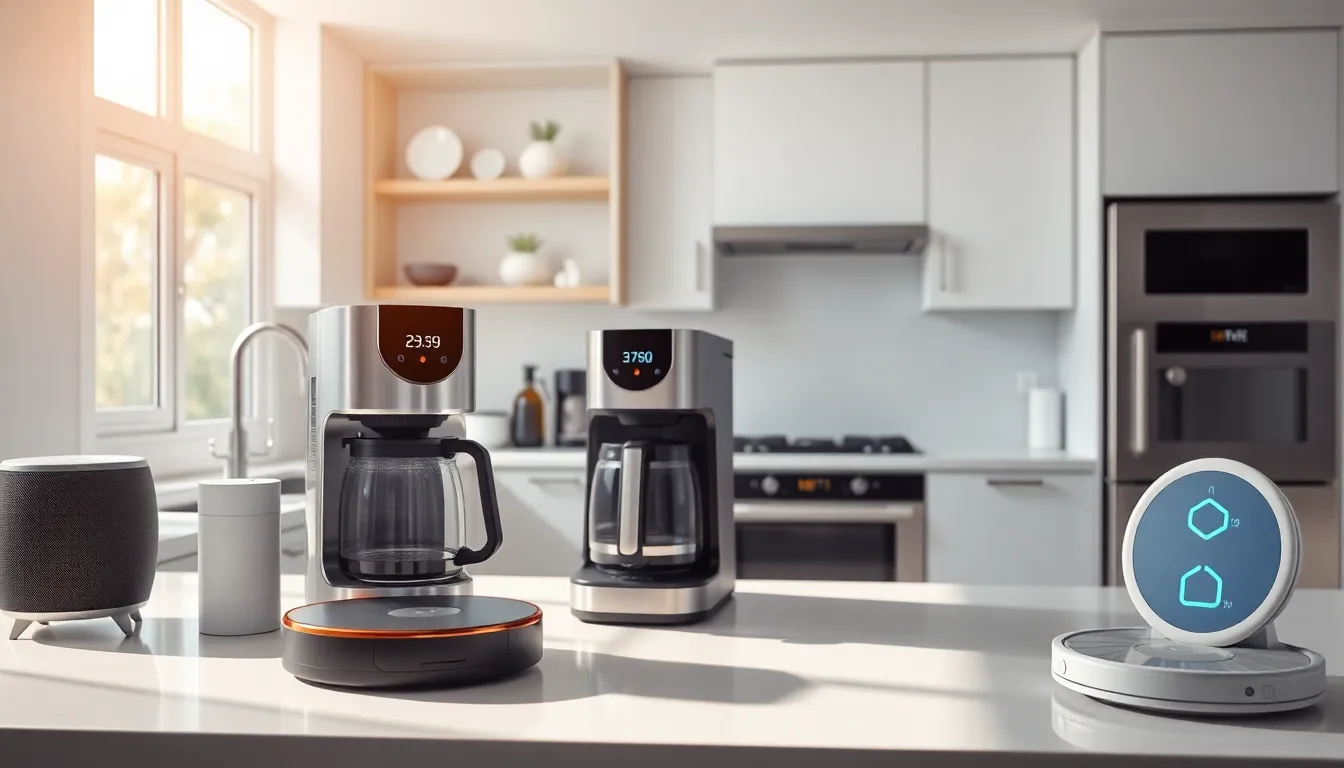
In a world where even your toaster can have a personality, smart living technology is transforming homes into futuristic havens. Imagine waking up to the aroma of freshly brewed coffee, all thanks to a coffee maker that knows your morning routine better than you do. It’s not just about convenience; it’s about elevating everyday life into something extraordinary.
From smart thermostats that learn your preferences to security systems that can recognize your cat’s face (yes, really), these gadgets are here to make life easier and a bit more fun. So why settle for a regular home when you can have a smart one? Dive into the world of smart living technology and discover how these innovations can turn mundane tasks into seamless experiences, leaving more time for the things that truly matter—like binge-watching your favorite series in style.
Overview of Smart Living Technology
Smart living technology significantly reshapes the landscape of modern homes. These innovations incorporate advanced devices that automate mundane tasks, enhancing daily life. For instance, smart speakers respond to voice commands, allowing users to control multiple devices with ease. Temperature control becomes seamless with smart thermostats that learn preferences and adjust settings automatically.
Security systems equipped with facial recognition adapt to household dynamics, ensuring a safer environment. Smart lighting systems perform based on occupancy and time of day, optimizing energy usage while creating inviting atmospheres. Various kitchen gadgets, such as refrigerators that monitor inventory and suggest recipes, streamline meal preparation.
Additionally, health monitoring devices provide real-time data, promoting wellness within the home. Air quality monitors track pollutants and suggest actions to improve indoor conditions. Smart home technology even connects appliances, enabling users to schedule tasks through centralized apps.
Overall, the blend of convenience, efficiency, and security defines the advantages of smart living technology. Embracing these developments allows homeowners to manage environments effortlessly and create spaces tailored to their needs. Enhanced leisure time results from automated tasks, elevating the overall lifestyle experience. Each device contributes to a cohesive ecosystem aimed at improving daily rituals and promoting a more comfortable living environment.
Benefits of Smart Living Technology
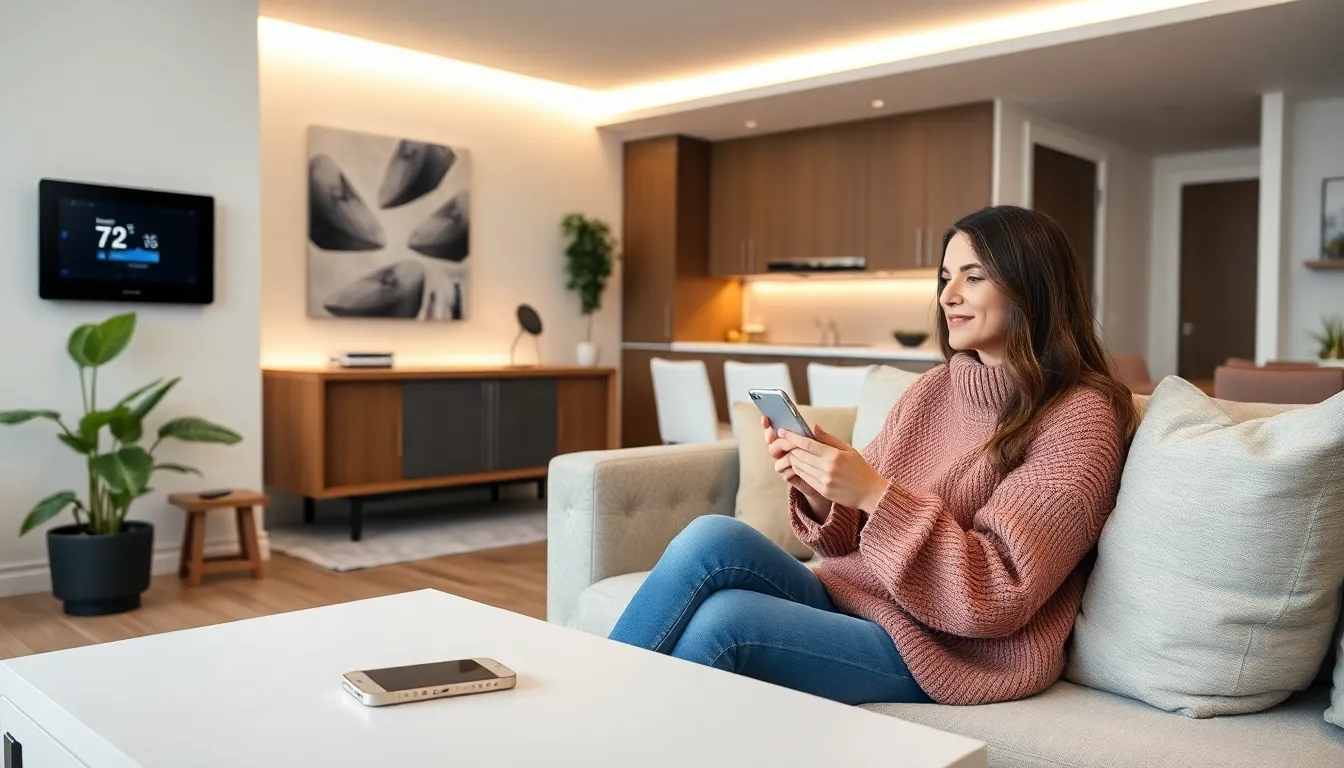
Smart living technology revolutionizes daily routines. It brings significant advantages that enhance comfort, efficiency, and safety.
Enhanced Convenience
Smart living technology elevates convenience in modern homes. Voice-activated devices allow users to control various functions without lifting a finger. Smart coffee makers automatically adjust brew times, catering to personal schedules. Homeowners can manage heating and cooling systems from anywhere via smartphone apps. Additionally, smart lighting initiatives adjust brightness based on preferences or time of day. Such features simplify day-to-day tasks, leaving more room for leisure activities. Finding the perfect temperature becomes effortless, contributing to a more enjoyable living experience.
Improved Efficiency
Efficiency sees a substantial boost with the integration of smart living technology. Smart thermostats optimize energy consumption by learning user habits. These devices can reduce energy usage during peak hours, resulting in lower utility bills. Kitchen appliances streamline meal preparation through inventory tracking and recipe suggestions. Cleaning devices, such as robotic vacuums, operate autonomously, ensuring homes stay tidy with minimal effort. Monitoring air quality becomes straightforward with smart sensors, helping maintain a healthy environment. By automating mundane chores, smart technology supports a more productive lifestyle.
Key Components of Smart Living Technology
Smart living technology encompasses a range of innovative components that enhance the quality of daily life. These devices streamline tasks and improve overall efficiency within homes.
Smart Home Devices
Smart home devices integrate seamlessly into everyday routines. These gadgets include smart speakers that respond to voice commands, enabling hands-free control of various functions. Security cameras with advanced facial recognition offer real-time monitoring and enhance safety. Energy-efficient smart thermostats learn preferences and adjust heating and cooling automatically. Additionally, smart lighting systems can be programmed to fit schedules, providing the right ambiance while optimizing energy usage. Each of these devices collectively transforms home environments into intelligent spaces, enhancing comfort and convenience significantly.
Wearable Technology
Wearable technology plays a pivotal role in promoting health and connectivity. Fitness trackers monitor physical activity, sleep patterns, and heart rates, providing users with important health metrics. Smartwatches deliver real-time notifications, allowing quick access to messages and alerts without reaching for a smartphone. Some wearables feature integrated GPS, ideal for outdoor activities and navigation. By offering personalized insights and enhancing day-to-day communication, these devices encourage a healthier lifestyle and keep individuals informed, creating a more connected ecosystem between personal health and daily tasks.
Challenges and Considerations
Smart living technology brings numerous benefits, yet it also presents challenges that users must consider.
Security and Privacy Concerns
Security concerns arise due to the connectivity of smart devices. Hackers can exploit vulnerabilities in these gadgets, leading to unauthorized access. Personal information stored on devices may also face risks, especially if data encryption isn’t robust. Privacy concerns grow when devices track habits and preferences. Users should be cautious about sharing information with manufacturers or third parties, which may lead to unwanted marketing or data misuse. Protecting networks with strong passwords and enabling two-factor authentication significantly improves security.
Cost and Accessibility
Cost often limits access to smart living technology. Initial investments for devices can range from moderate to high, making it difficult for some households to adopt these solutions. Monthly subscription fees for services add to the long-term financial commitment. Accessibility issues may arise for individuals with limited technical skills, making integration into daily routines challenging. It’s essential to offer products that combine affordability and user-friendliness to encourage wider adoption. Financial incentives from manufacturers and utility companies can enhance accessibility for those interested in smart living technology.
Future Trends in Smart Living Technology
Smart living technology is evolving rapidly, shaping how individuals interact with their homes. Experts predict significant advancements in artificial intelligence, enhancing the capabilities of smart devices. Voice recognition systems will improve, allowing seamless communication with devices across various platforms.
Integration of smart home devices and ecosystems becomes more widespread. Interoperability among brands will provide users with greater flexibility in selecting devices. Expect devices to share data and enhance functionality, creating a synchronized home environment.
Energy management features will also see considerable upgrades. Smart thermostats will continue to learn user behaviors, optimizing energy consumption and reducing costs. These advancements will support sustainability goals and contribute to lower carbon footprints.
Security measures are set to become more sophisticated. Enhanced facial recognition technology will improve monitoring systems, increasing the safety of homes. Users can anticipate real-time alerts on suspicious activities, ensuring a proactive approach to home security.
Personalization of user experiences will enhance convenience further. Smart living technology will adapt to individual preferences, offering tailored suggestions for daily tasks. The introduction of machine learning will enable devices to predict needs, simplifying household management.
Health monitoring solutions are likely to gain traction. Wearable devices and in-home health monitors will provide real-time insights into personal well-being. This expansion aims to empower individuals to take control of their health.
Overall, the future of smart living technology promises increased efficiency and improved quality of life. Anticipate ongoing innovations that make tasks more manageable, ensuring a well-connected living space. Adopting these technologies will redefine everyday experiences for many households.
Smart living technology is revolutionizing the way people interact with their homes. By automating daily tasks and enhancing convenience, these innovations not only save time but also contribute to a more enjoyable lifestyle. As advancements continue to emerge, the integration of artificial intelligence and improved interoperability will further elevate the smart home experience.
While challenges such as security and cost remain, the potential benefits far outweigh the drawbacks. As users become more aware of the advantages of smart devices, adoption rates are likely to increase. Embracing smart living technology means stepping into a future where homes are not just spaces to live in but personalized environments that cater to individual needs and preferences. The journey toward smarter living is just beginning, and it’s poised to redefine everyday life for countless households.


