

Ever wanted to add a splash of color to your otherwise monochrome world? Imagine transforming your photos into stunning visual narratives where one vibrant object steals the spotlight while everything else fades into a classy black and white. It’s like giving your pictures a dramatic makeover without the need for a Hollywood budget.
Understanding The Effect
This effect creates a stunning contrast by highlighting one object in color while rendering the rest of the image in shades of gray. By focusing on a single subject, the technique draws attention and emphasizes important elements. Artists and photographers use this method to evoke emotions and tell stories through imagery.
Color has a psychological impact. It influences how viewers perceive and connect with a photo. For example, a red flower against a black and white background can symbolize passion and vitality. This visual strategy allows storytellers to direct the audience’s gaze and convey deeper meanings.
Many apps provide tools for achieving this effect on an iPhone. Editing apps feature user-friendly interfaces that simplify the process. Users often find themselves adjusting saturation, brightness, and contrast to enhance the visual appeal. Exploring multiple applications helps achieve the desired outcome.
Understanding light plays a crucial role in this photography technique. Natural light highlights colors, while shadows create depth. The right angles and lighting conditions contribute to the overall impact of the image.
Additionally, practicing this effect develops artistic skills. Experimenting with different subjects encourages creativity and helps refine techniques. Continuous learning leads to improved photographs that resonate with viewers.
Pre-Requisites
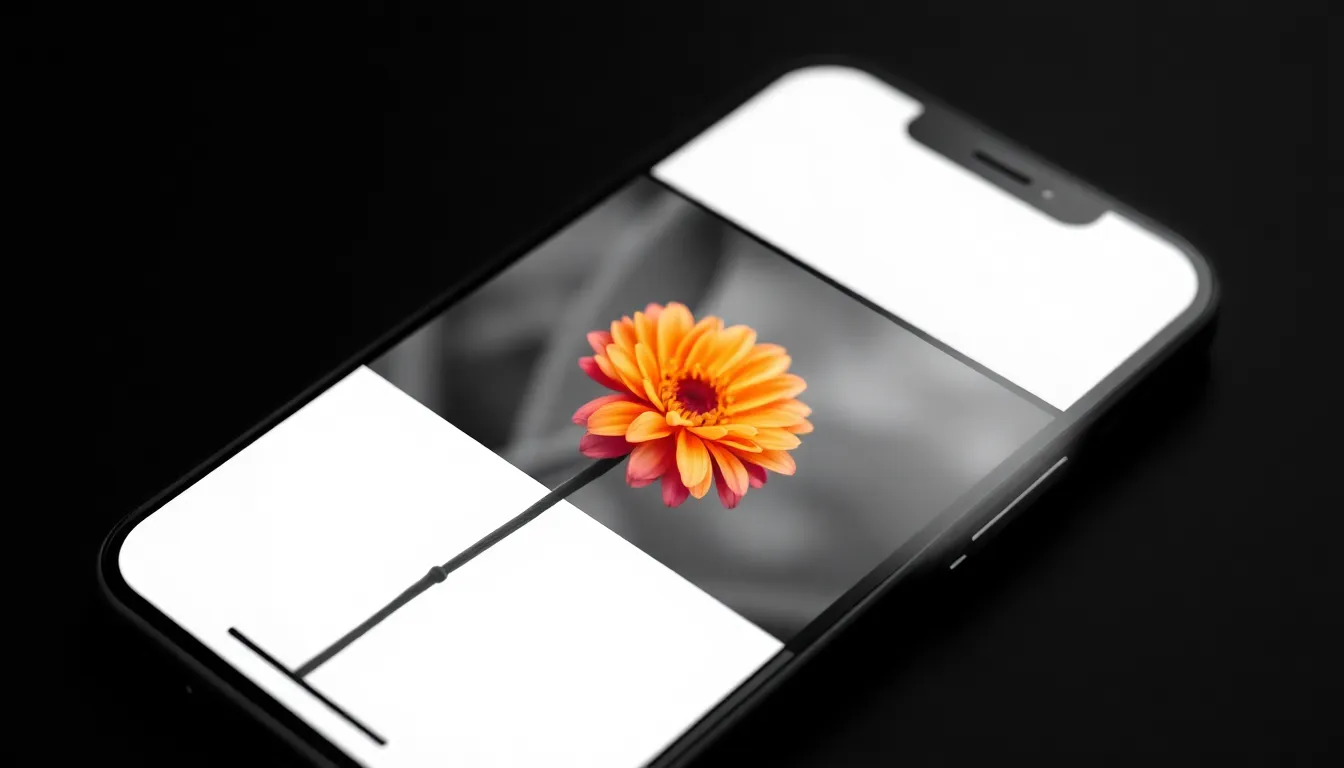
Making one object color while converting the rest to black and white requires specific tools and compatible devices. This section covers the essential apps and compatible iPhone models to achieve this artistic effect.
Necessary Apps
Several apps facilitate the color isolation effect. Popular choices include Adobe Photoshop Express, Snapseed, and PicsArt. These applications feature user-friendly interfaces, allowing easy adjustments to color saturation and black-and-white filters. Users can download them directly from the App Store. Each app offers unique tools that enable users to highlight the desired object while stripping away color from the background efficiently.
iPhone Model Compatibility
Most recent iPhone models support the necessary apps for isolating colors. From the iPhone 7 to the latest models, users can effectively utilize editing features. Operating systems iOS 12 and above provide optimal functionality for these applications. Users should ensure their devices have up-to-date software for the best experience. Older models may face limitations with specific features, so checking compatibility is advisable.
Step-By-Step Guide
The following steps detail how to make one object color and the rest black and white on an iPhone.
Using The Photos App
First, open the Photos app and select the image you want to edit. Tap “Edit” in the upper right corner to access editing tools. Use the “Filters” option, then choose “Black & White” to desaturate the entire image. After this, select “Adjust” to access the brush tool. You can carefully paint over the object you want to keep in color, revealing its original hues. Once satisfied with the adjustments, tap “Done” to save the changes. This method offers a straightforward way to highlight specific elements in your photos.
Using Third-Party Apps
Many third-party apps offer enhanced features for color isolation. Open one of these apps, such as Snapseed or PicsArt, after downloading it from the App Store. Import your photo into the app. Use the “Selective” or “Brush” tool to adjust the areas you want to keep colored. These tools allow for precise control over the image editing process. Following adjustments, export the edited image to your camera roll. Third-party apps provide more advanced options, making them ideal for users seeking creative flexibility.
Tips For Best Results
Achieving the best results when highlighting a single object in color requires attention to detail. Various factors can enhance the overall effect and transform the image dramatically.
Choosing The Right Object
The object selected for color emphasis should be prominent and visually compelling. Brightly colored items stand out well against a black and white backdrop. Focus on objects that evoke emotion or tell a story, as these elements capture viewer interest. Smaller, intricate details may get lost in the monochrome, so choose larger items or those with significant contrast. Consider the background too; a neutral or less busy background allows the colorful object to shine.
Adjusting Contrast
Increasing contrast creates sharper differences between the colored object and the black and white elements. Doing so enhances visual impact and provides a more striking image. Most editing apps include contrast sliders, allowing precise adjustments. Small increments in contrast can yield significant changes; aim for a balanced yet bold appearance. Preview changes frequently during adjustments to visualize the effect. Experiment with high contrast settings for a dramatic flair, or opt for moderate levels for a subtle enhancement.
Mastering the art of color isolation can elevate any photograph taken on an iPhone. By focusing on a single colored object while rendering the rest in black and white, users can create eye-catching visuals that tell compelling stories. The right apps and techniques allow for easy adjustments and precise control over the editing process.
With practice and attention to detail, anyone can refine their skills and enhance their artistic expression. Whether it’s for personal projects or professional endeavors, this technique offers endless possibilities for creativity. Embracing this method not only improves photographic quality but also deepens emotional connections with viewers.


