

In a world where energy bills seem to climb higher than your neighbor’s hedges, home efficiency isn’t just a buzzword—it’s a superhero in disguise. Imagine slashing those pesky costs while turning your home into a cozy, eco-friendly fortress. Sounds like a win-win, right?
What Is Home Efficiency?
Home efficiency refers to optimizing a house’s performance by reducing energy consumption while maintaining comfort. Such optimization enhances energy use effectiveness, leading to lower utility costs. Various elements contribute to home efficiency, including insulation, heating and cooling systems, and energy-efficient appliances.
A well-insulated home minimizes heat loss during winter and keeps cool air inside during summer. Insulation materials like fiberglass or foam often provide significant benefits. Energy-efficient windows can also play a crucial role by reducing unwanted heat exchange.
Heating and cooling systems impact overall efficiency. Modern, energy-efficient models often consume less energy than older systems. For instance, programmable thermostats allow homeowners to adjust temperatures based on their schedules, further reducing energy usage.
Another vital aspect is the selection of appliances. Energy Star certified appliances consume less electricity and water than standard models. Choosing these appliances can decrease energy costs by 10 to 50 percent.
Additionally, incorporating renewable energy sources enhances home efficiency by reducing reliance on non-renewable energy. Solar panels generate electricity, which can lower energy bills significantly.
Home efficiency leads to multiple benefits. Increased comfort, reduced environmental impact, and energy savings are paramount. Improving home efficiency often results in an eco-friendly living space as well, ensuring reduced carbon footprints for homeowners. Implementing these strategies can transform any house into an efficient, sustainable, and comfortable home.
Importance Of Home Efficiency
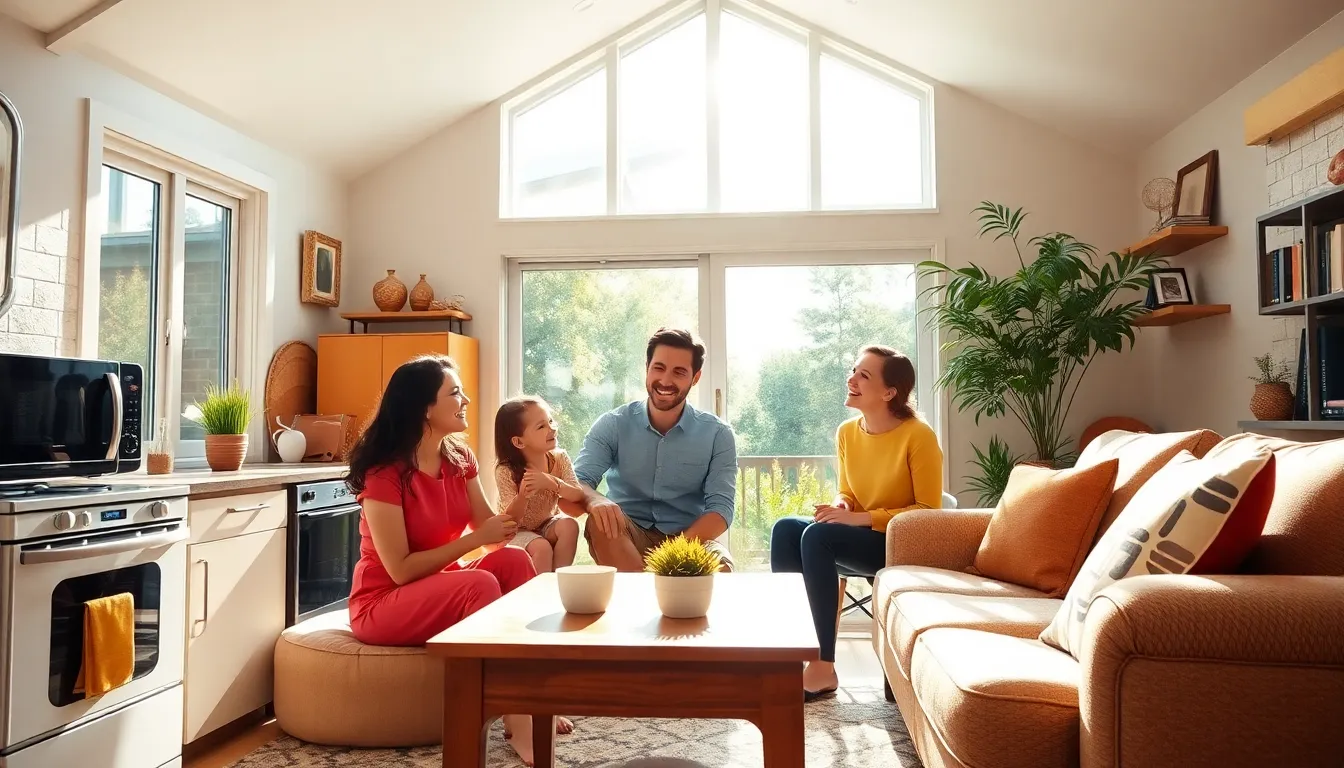
Home efficiency plays a vital role in modern living. It directly impacts both comfort and sustainability.
Environmental Benefits
Improving home efficiency significantly lowers a household’s carbon footprint. Energy-efficient appliances consume less electricity, reducing reliance on fossil fuels. Well-insulated homes minimize heat loss, decreasing the overall demand for energy. Consequently, fewer greenhouse gases enter the atmosphere. Transitioning to renewable energy sources, like solar panels, enhances sustainability further. The adoption of eco-friendly practices in homes fosters a healthier environment for future generations.
Economic Benefits
Investing in home efficiency leads to substantial savings on utility bills. Energy-efficient appliances can cut energy consumption by up to 50%, resulting in lower monthly expenses. Proper insulation and modern heating systems also contribute to these savings. Over time, homeowners experience a noticeable reduction in energy costs. Tax incentives for energy-efficient upgrades add to the economic advantages, making it a financially savvy decision. Overall, enhancing home efficiency provides both immediate and long-term economic benefits.
Key Factors Influencing Home Efficiency
Home efficiency relies on several critical factors that impact energy use and comfort. Understanding these elements can help homeowners make informed decisions.
Insulation
Insulation plays a pivotal role in maintaining indoor temperature. When properly installed, it reduces heat loss during winter and keeps homes cool in summer. Materials like fiberglass, spray foam, and cellulose have unique properties that enhance efficiency. Attic insulation can particularly help. Many homeowners notice significant reductions in energy bills after improving insulation in attics or walls. Evaluating insulation effectiveness during renovations supports long-term savings.
Heating And Cooling Systems
Heating and cooling systems directly affect energy performance in homes. Advanced technologies such as programmable thermostats enable homeowners to optimize temperature settings based on schedules. Efficient models, like those rated with Energy Star, consume less energy while delivering comfort. Regular maintenance of these systems promotes efficiency and extends their lifespan. Homeowners should consider transitioning to systems that use less energy, such as heat pumps. Such upgrades can result in reduced costs and increased comfort over time.
Energy-Efficient Appliances
Energy-efficient appliances significantly reduce energy consumption. Choosing products with Energy Star certification ensures lesser energy use without compromising performance. Examples include refrigerators, washing machines, and dishwashers. Replacing older appliances with modern, efficient alternatives can lower utility bills substantially. Improved technologies in these appliances often come with smart features that further enhance usability. Homeowners may also benefit from rebates or tax incentives for these purchases, making them an appealing option for improving home efficiency.
Tips For Improving Home Efficiency
Improving home efficiency involves several practical steps to enhance energy use and comfort.
Conducting An Energy Audit
Performing an energy audit identifies areas for improvement. Homeowners can hire professionals or use online tools to assess energy consumption. An audit typically includes inspecting insulation, windows, and HVAC systems. Checking for discrepancies in energy use reveals potential savings. After completing the evaluation, prioritize upgrades based on energy loss and cost-benefit analysis. Many utility companies offer audit services, often free or at reduced rates. This assessment sets the foundation for targeted improvements.
Sealing Air Leaks
Sealing air leaks is essential for effective insulation. Start by inspecting common leak areas like windows, doors, and attics. Use weatherstripping or caulk to fill gaps and cracks. A well-sealed home maintains temperature efficiently, reducing reliance on heating and cooling systems. Inadequate sealing often leads to drafts, energy loss, and higher utility bills. Homeowners should regularly check for leaks, especially during changing seasons. An efficient sealing process offers significant long-term savings and enhances overall comfort.
Home efficiency isn’t just a trend; it’s a vital approach to creating a sustainable and cost-effective living environment. By focusing on insulation, advanced heating and cooling systems, and energy-efficient appliances, homeowners can significantly reduce their energy consumption and utility bills.
Implementing practical strategies like energy audits and sealing air leaks can lead to lasting improvements in comfort and savings. As more individuals recognize the importance of efficiency, the benefits extend beyond personal finances to encompass environmental sustainability. Embracing home efficiency is a powerful step toward a greener future.


