

In a world where cultures collide like clumsy dancers at a wedding, understanding culture relationships becomes essential. It’s not just about sharing a meal or swapping holiday traditions; it’s about diving into the rich tapestry of human experience. When cultures intertwine, they create a vibrant mosaic filled with laughter, learning, and maybe a few awkward moments—who hasn’t mispronounced a foreign word at a dinner party?
Navigating these relationships can be as tricky as trying to explain the concept of “personal space” to a friend from a culture that embraces closeness. Yet, the rewards are worth it. From expanding perspectives to forging lifelong friendships, embracing cultural diversity enriches lives in unexpected ways. So, let’s explore how these connections shape our world and why they matter more than ever.
Understanding Culture Relationships
Cultural relationships play a crucial role in today’s interconnected world. Recognizing their depth enhances personal and social interactions.
Definition of Culture Relationships
Cultural relationships involve the connections between individuals or groups from different cultural backgrounds. These relationships encompass shared experiences, values, and beliefs that contribute to mutual understanding. Engaging with diverse cultures fosters awareness and appreciation of unique perspectives. Such interactions often lead to rich exchanges and personal growth.
Importance in Society
Cultural relationships enhance social cohesion by bridging gaps between communities. They promote tolerance and empathy, essential traits in a diverse society. Engaging with various cultures provides insights that combat stereotypes and prejudices. These connections build networks that support collaboration and innovation in various fields. Moreover, they enrich personal lives by creating lasting friendships and partnerships across cultures.
Types of Culture Relationships
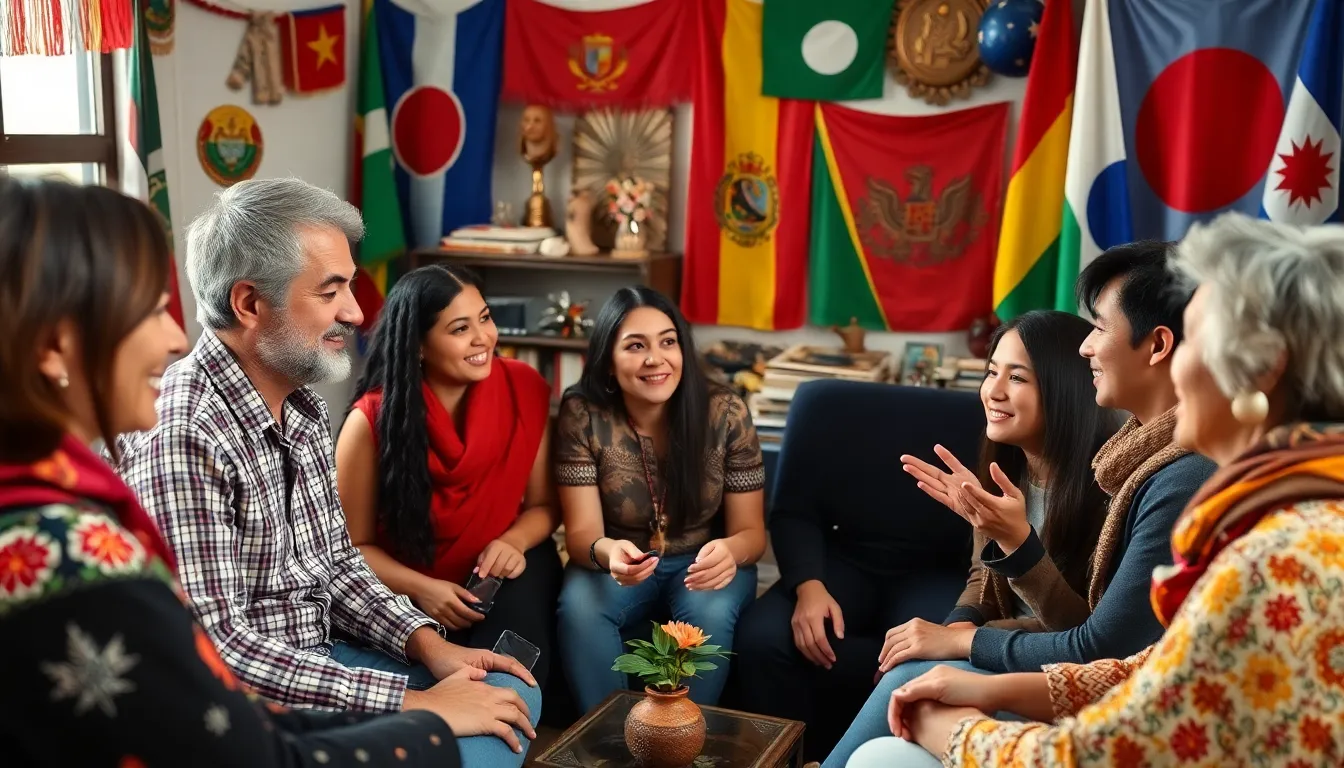
Understanding the various types of cultural relationships offers insights into human interactions across cultural boundaries. The following sections explore two key types: interpersonal relationships and cross-cultural relationships.
Interpersonal Relationships
Interpersonal relationships occur between individuals from different cultural backgrounds. These connections often develop through shared experiences, such as education, work, or social activities. Sharing perspectives fosters trust and empathy, allowing individuals to understand each other’s values. Individuals in these relationships benefit from diverse viewpoints. They gain insights that challenge their assumptions and broaden their worldviews. As a result, interpersonal relationships can strengthen community ties and cultivate a sense of belonging.
Cross-Cultural Relationships
Cross-cultural relationships extend beyond individuals to encompass connections between groups or communities. These relationships focus on the interactions between larger cultural entities. They may arise from collaborations on projects or participation in cultural exchanges. Engaging with different cultures enhances collective knowledge and encourages innovation. Groups involved in cross-cultural relationships can combat stereotypes and foster greater acceptance. Ultimately, these relationships play a critical role in promoting mutual understanding and social cohesion across cultures.
Impact of Culture on Relationships
Culture profoundly influences relationships through distinct communication styles and varying values and beliefs. These components shape how individuals interact and understand each other.
Communication Styles
Communication styles differ significantly across cultures. Direct communication emphasizes clarity and precision, popular in some Western cultures. Conversely, indirect communication values nuance and context, often seen in Asian cultures. Understanding these differences fosters better interactions. Active listening enhances comprehension, as it encourages individuals to grasp subtle cues. Non-verbal communication also plays a crucial role, with gestures, eye contact, and body language varying in meaning across cultures. By recognizing these differences, individuals navigate conversations with respect and empathy, promoting stronger connections.
Values and Beliefs
Values and beliefs serve as foundational elements in shaping relationships. Individualistic cultures prioritize personal freedom and self-expression, leading to more autonomous partnerships. In contrast, collectivist cultures stress community and family, creating bonds deeply embedded in social responsibilities. Joint decision-making often reflects these cultural orientations, highlighting priorities that differ from one culture to another. Respecting and understanding these values enhances tolerance and acceptance in relationships. Embracing cultural differences encourages meaningful dialogues, allowing for enriched experiences and cooperative endeavors.
Challenges in Culture Relationships
Cultural relationships face several challenges. Misunderstandings often arise from differing communication styles and values, leading to the perpetuation of stereotypes.
Misunderstandings and Stereotypes
Misinterpretations frequently stem from varying cultural norms. For instance, a direct communication style may be perceived as rude in cultures that prefer indirectness. These miscommunications can feed into stereotypes, which oversimplify complex cultural identities. When individuals rely on cultural clichés, they miss the opportunity for genuine connection. It’s crucial to approach each interaction with an open mind to counteract these misconceptions. Seeking clarification can diminish misunderstandings, fostering a more inclusive dialogue. Engaging with diverse perspectives enhances empathy and combats preconceived notions about different cultures.
Conflict Resolution
Conflict often emerges in cultural interactions, particularly if misunderstandings escalate. Addressing differences through open communication fosters resolution. Individuals must recognize the importance of patience and active listening during disputes. Finding common ground requires participants to articulate their feelings and needs honestly. Utilizing mediation can also bridge gaps in understanding. In cases where conflict resolution proves challenging, cultural sensitivity training equips individuals with tools to handle disputes effectively. Strengthening problem-solving skills promotes harmonious relationships among diverse groups. Prioritizing empathy in these interactions encourages mutual respect and paves the way for constructive outcomes.
Cultural relationships play a vital role in shaping a more inclusive and understanding society. By embracing the richness of diverse backgrounds individuals can cultivate deeper connections that foster empathy and collaboration. These relationships not only challenge stereotypes but also enhance personal growth and community ties.
Navigating cultural differences may present challenges but the rewards far outweigh the difficulties. With open communication and a willingness to learn individuals can transform misunderstandings into opportunities for connection. As the world becomes increasingly interconnected the importance of cultural relationships will only continue to grow, paving the way for a more harmonious future.


