

Cultural anthropology isn’t just about digging through dusty artifacts or studying ancient rituals; it’s about understanding the quirks that make us human. Imagine peeking into the world’s most intriguing cultures, where every tradition has a story and every meal is a feast for the senses. This field reveals the colorful tapestry of human life, where laughter, love, and a little bit of chaos come together in the most unexpected ways.
From the way people celebrate birthdays to the odd customs surrounding marriage proposals, cultural anthropology offers insights that’ll make you appreciate the delightful diversity of our planet. So buckle up and get ready to explore the rich narratives that shape societies. With a sprinkle of humor and a dash of curiosity, this journey promises to be both enlightening and entertaining. Who knew learning about cultures could be this much fun?
Overview of Cultural Anthropology Insights
Cultural anthropology delves deep into the fabric of human societies, revealing how cultural contexts shape individual and collective identities. Key insights include the understanding of cultural relativism, which emphasizes viewing cultures based on their own values and practices rather than through an ethnocentric lens. Ethnographic research methods play a crucial role, allowing anthropologists to engage directly with communities, observe behaviors, and gather firsthand accounts.
Cultural narratives provide another layer of insight. These stories reflect the values, beliefs, and historical experiences unique to each community. By examining rituals like weddings or festivals, cultural anthropologists uncover the significance of these events and their impact on community cohesion.
Another vital insight is the notion of culture as dynamic. Cultures continually evolve, influenced by globalization and technological advancements. Anthropologists increasingly study these transformations, highlighting how societal changes affect traditional practices and lead to hybrid cultural expressions.
Gender roles within various cultures offer additional insights into social structure. They reveal how expectations and norms shape interactions in family units and broader societal contexts. Exploring these roles helps demystify power dynamics and equity issues.
Finally, cultural anthropology emphasizes the importance of language in shaping thought and culture. Languages convey worldviews, and their study unveils how different cultures categorize experiences and express emotions. Insights from this field contribute to a deeper understanding of human diversity and complexity.
Overall, these insights enrich knowledge about humanity’s vast cultural landscape, providing a framework for understanding the myriad ways people live and interact.
Importance of Cultural Anthropology
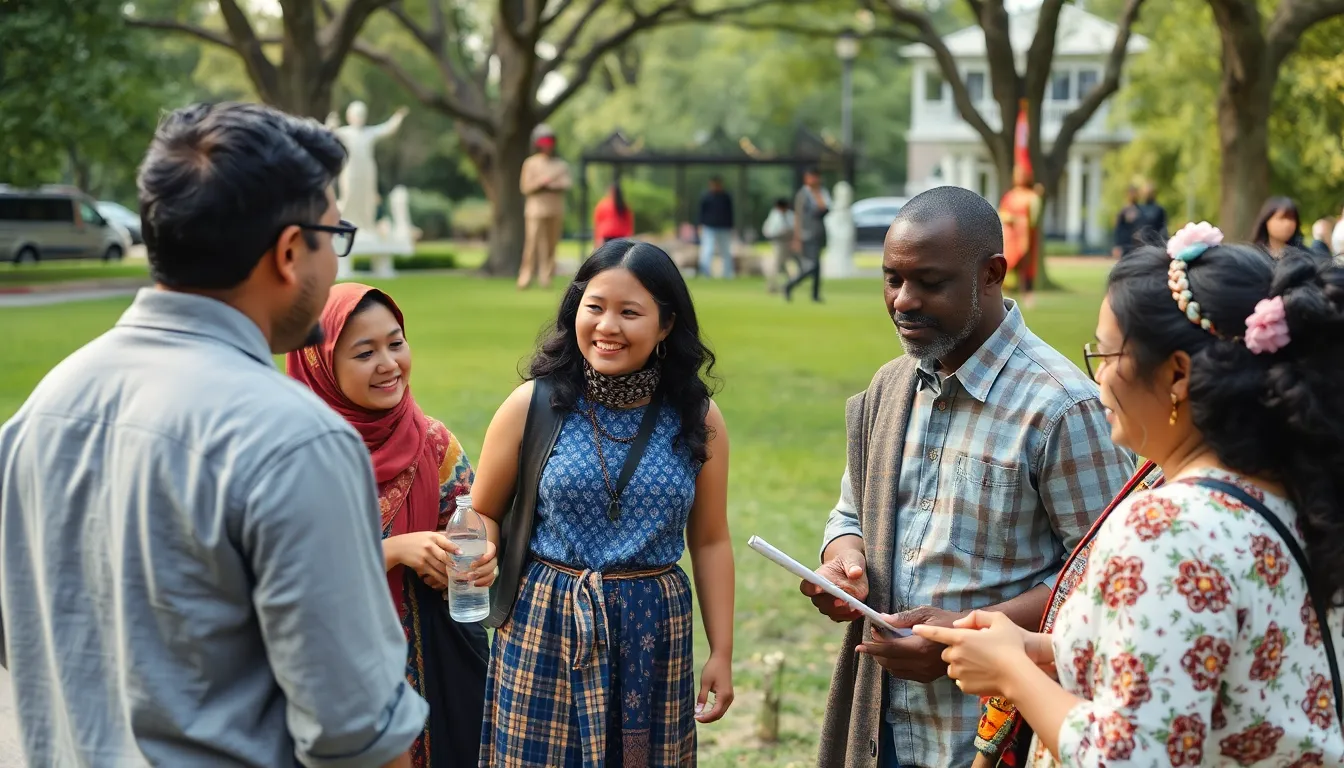
Cultural anthropology plays a crucial role in understanding human societies and behaviors. The discipline provides insights into how individuals interact within their cultural frameworks.
Understanding Human Behavior
Cultural anthropology investigates human behavior by examining cultural contexts. Researchers gather firsthand observations that reveal motivations behind actions. Ethnographic methods allow anthropologists to immerse themselves in communities, uncovering unique patterns of social interaction. They analyze how beliefs, values, and norms shape individual choices and collective behaviors. For example, no two societies respond alike to the same problem, reflecting varied cultural understandings. This approach fosters appreciation for human complexity and highlights the influence of culture on everyday life.
Exploring Cultural Diversity
Cultural anthropology celebrates the richness of cultural diversity. By studying different societies, anthropologists reveal a tapestry of practices and traditions. Each culture offers distinct perspectives on issues like family, governance, and spirituality. Research shows that globalization has led to the exchange of cultural elements, resulting in hybrid expressions. Local customs blend with global influences, showcasing adaptive resilience. Understanding this diversity enhances empathy towards different ways of life, shaping a more inclusive worldview. Engaging with various cultures broadens perspectives and fosters respect among communities.
Key Theories in Cultural Anthropology
Cultural anthropology encompasses various theories that offer critical perspectives on human societies and their complexity. Two prominent theories include structuralism and symbolic interactionism.
Structuralism
Structuralism posits that cultural phenomena can be understood through underlying structures. Claude Lévi-Strauss, a key figure in this theory, argued that humans categorize experiences into binary oppositions, such as life and death, nature and culture. These oppositions help shape cultural systems and rituals that define social relationships. By examining myths, kinship structures, and language, structuralism uncovers universal patterns across cultures. Such insights reveal how these frameworks influence societal behavior and facilitate communication among individuals.
Symbolic Interactionism
Symbolic interactionism emphasizes the importance of symbols and language in social interaction. This theory highlights how individuals derive meaning from their cultural surroundings through symbols. George Herbert Mead and Herbert Blumer significantly contributed to this theory. They suggested that people actively construct their social realities through communication and interaction. By focusing on everyday interactions, symbolic interactionism examines how personal identities and social roles emerge within cultural contexts. This approach allows cultural anthropologists to explore the fluidity of meaning and the role of context in shaping human behavior.
Research Methods in Cultural Anthropology
Cultural anthropology employs various research methods to gain insights into human behaviors and societal structures. Ethnographic research methods stand out for their in-depth approach to understanding cultures.
Ethnographic Studies
Ethnographic studies focus on immersive exploration to document cultures comprehensively. Anthropologists often spend extended periods within communities, observing daily life and rituals. This method uncovers nuanced insights into social dynamics, traditions, and values. Researchers actively engage with participants, which fosters a deeper understanding of cultural contexts. The resulting data illustrates how cultural norms shape individual behaviors and community interactions. This type of research emphasizes context, allowing for rich, detailed narratives that reflect the vibrancy of human experiences.
Participant Observation
Participant observation serves as a foundational technique within cultural anthropology. Researchers actively engage with the community, participating in daily activities while observing interactions. This immersive involvement helps anthropologists grasp the lived experiences of individuals. Through participant observation, they gather firsthand accounts that highlight cultural practices and social relationships. Such engagement enriches data collection, revealing the complexities of human behavior in real-life scenarios. This approach facilitates a holistic view of cultures, making evident the ways values and traditions influence actions and beliefs in diverse settings.
Recent Trends in Cultural Anthropology
Emerging trends in cultural anthropology reflect the evolving nature of human societies. Technology plays a pivotal role, facilitating the exploration of cultural phenomena through digital ethnography. Researchers increasingly utilize online platforms to study communities, capturing social interactions in virtual environments.
Moreover, an emphasis on decolonizing anthropology shapes current discussions. Scholars challenge traditional perspectives, advocating for inclusive approaches that respect indigenous knowledge systems. Collaborative projects with local communities highlight the importance of co-creating knowledge.
Sustainability also gains attention in cultural anthropology. Anthropologists investigate the relationship between culture and environmental practices, exploring how traditions inform sustainable living. These studies reveal the interconnectedness of cultural beliefs and ecological responsibility.
Cultural critical theory expands its influence, offering tools for analyzing power dynamics within societies. Researchers apply this lens to understand complexities surrounding race, gender, and class. This framework encourages deeper interrogations of inequality and social justice.
Lastly, the global response to the COVID-19 pandemic unveils new avenues for inquiry. Anthropology adapts to examine cultural shifts and resilience in times of crisis. Insights into community solidarity and adaptation highlight the dynamic nature of cultural practices.
Each trend signifies a vibrant and responsive discipline. By continuously engaging with contemporary issues, cultural anthropology remains relevant in understanding the intricacies of human experience across diverse contexts.
Cultural anthropology offers profound insights into the complexities of human life. By exploring the narratives that shape societies it reveals the intricate connections between culture and identity. The discipline not only enhances understanding of traditions and rituals but also highlights the dynamic nature of cultural expressions in a globalized world.
Through ethnographic research and critical theories cultural anthropologists continue to uncover the nuances of social interaction and power dynamics. As they adapt to contemporary challenges such as technology and sustainability they ensure that cultural anthropology remains a vital field for understanding humanity. The ongoing exploration of cultural diversity enriches perspectives on how individuals and communities navigate their realities in an ever-changing landscape.


