

In a world that’s more connected than ever, cross-cultural experiences aren’t just a luxury—they’re a necessity. Imagine sipping tea in a bustling market in Marrakech while learning the art of haggling, or sharing a laugh over a mispronounced word in Tokyo. These moments not only broaden horizons but also sprinkle a bit of spice into everyday life.
Understanding Cross-Cultural Experiences
Cross-cultural experiences serve as crucial pathways for personal growth. One can gain profound insights into different customs and traditions by engaging with diverse cultures. Engaging in local food practices, like sharing a meal at a family-run restaurant, fosters deeper connections to a community. Additionally, exploring art forms, such as traditional dance or music, reveals unique storytelling methods.
Different perspectives emerge when individuals interact with different cultural settings. Each conversation contributes to understanding disparate worldviews. Travel, immersion, and collaboration with locals enhance adaptability and creativity. Observing daily routines, like morning rituals in various countries, showcases the richness of cultural diversity.
Many believe that these experiences broaden one’s scope beyond familiar boundaries. They encourage open-mindedness and promote empathy toward others. Building relationships across cultures often results in lifelong friendships. These friendships can provide support and resources that enrich both personal and professional lives.
Moreover, observing cultural festivals and ceremonies provides insight into values and beliefs. Participants learn the significance behind practices, such as the Diwali festival in India or the Lunar New Year celebrations in China. Such events highlight community bonds and reveal deep-rooted traditions.
Engaging with cross-cultural experiences creates opportunities for transformative learning. These moments lead to personal development through understanding, appreciation, and collaboration with others from different backgrounds. By prioritizing these experiences, individuals expand their worldviews and cultivate global awareness.
The Importance of Cultural Awareness
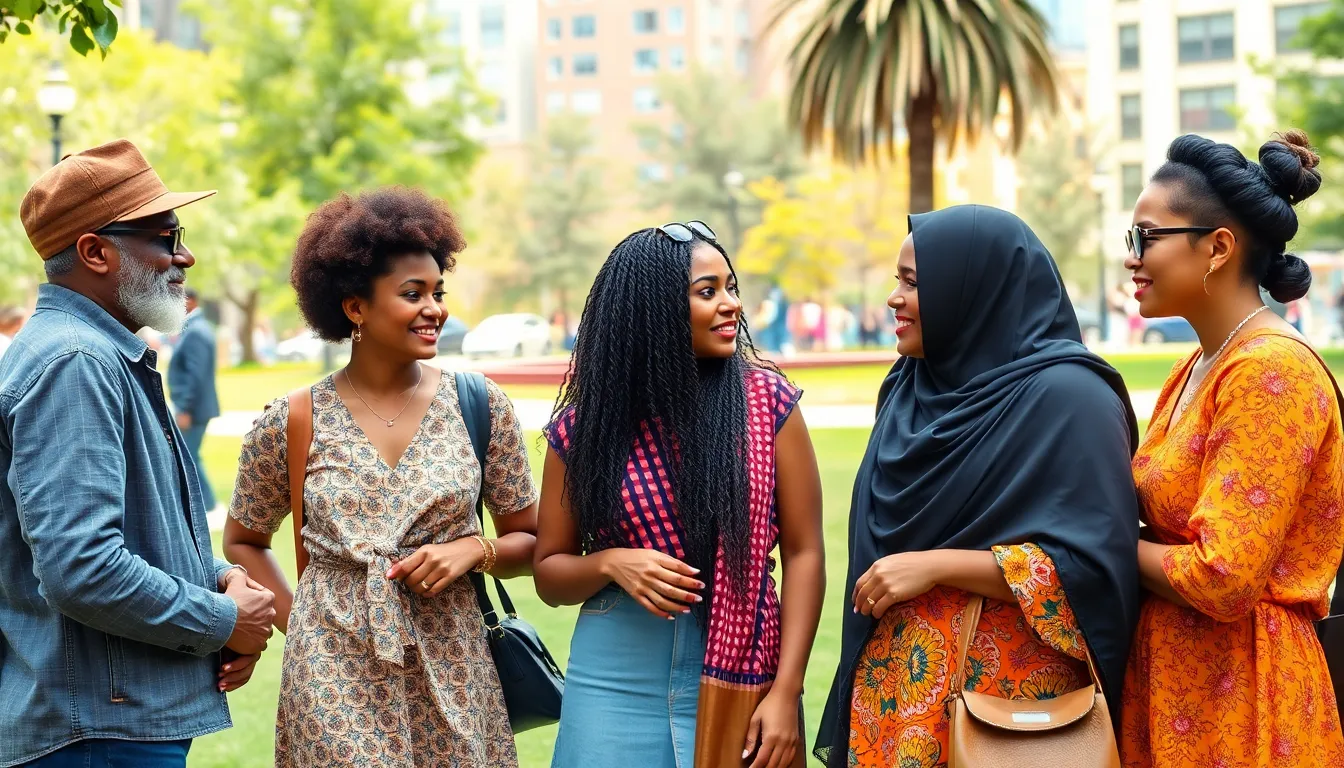
Cultural awareness plays a vital role in navigating today’s global landscape. Understanding diverse perspectives enhances interactions and fosters mutual respect.
Enhancing Communication Skills
Effective communication stems from cultural awareness. Adjusting conversational styles to fit different cultures improves clarity and reduces misunderstandings. Nonverbal cues vary significantly across societies; recognizing these differences enriches social interactions. Engaging with diverse groups promotes adaptive communication strategies; this leads to more meaningful discussions. Language learning also enhances skills beyond vocabulary; context and tone become more accessible. Mastering these elements fosters connections that transcend borders. Regular exposure to various cultures cultivates an open dialogue mindset.
Building Empathy and Understanding
Empathy thrives in culturally diverse environments. Encountering different traditions broadens one’s emotional perspective. Participating in local customs cultivates genuine appreciation for unique human experiences. Observing how others navigate their lives develops compassion for different circumstances. Shared experiences reveal similarities that unite individuals across cultural divides. Engaging with people from various backgrounds offers insights that challenge assumptions and biases. This continuous learning process encourages deep understanding of others, fostering respectful relationships in personal and professional spaces. Prioritization of empathy within cross-cultural experiences enriches daily life.
Types of Cross-Cultural Experiences
Cross-cultural experiences manifest in various engaging ways, offering individuals a chance to expand their horizons.
Travel and Exploration
Traveling immerses individuals in diverse cultures, providing firsthand experiences of local traditions and daily life. Encountering different landscapes and customs enhances appreciation for cultural variations. Tours may include guided visits to historical sites or informal street explorations, revealing authentic local life. Participants often engage with community members through conversations, fostering connections that transcend geographical boundaries. Exploring new places encourages open-mindedness, enabling travelers to reflect on their values and beliefs.
Cuisine and Culinary Exchange
Culinary experiences play a significant role in cross-cultural interactions. Sampling local dishes allows individuals to appreciate unique flavors and cooking techniques. Engaging in cooking classes or sharing meals with locals fosters cultural exchange and community bonding. Many people find joy in discovering the stories behind traditional recipes, enriching their understanding of cultural significance. Food festivals and markets further enhance these exchanges, showcasing a vibrant tapestry of culinary diversity. Through these experiences, individuals cultivate a deeper respect for cultural heritage and shared human appreciation.
Education and Language Learning
Educational environments offer robust opportunities for cross-cultural engagement. Learning a new language often involves understanding cultural nuances and social contexts, which deepens comprehension. Programs that incorporate cultural exchanges, whether through study abroad or online collaboration, provide enriching learning experiences. Students frequently share perspectives on global issues, fostering empathy and awareness. Workshops in cultural heritage also expand knowledge, encouraging individuals to explore diverse teaching styles and methodologies. As a result, these educational interactions promote lifelong friendships and broaden worldviews significantly.
Challenges of Cross-Cultural Experiences
Cross-cultural experiences present challenges that can hinder effective communication and integration. Miscommunication often arises due to differences in language, idioms, and nonverbal cues. Words that hold different meanings can lead to confusion and unintended offense. Context shapes understanding, and without awareness of cultural nuances, misunderstandings can escalate.
Miscommunication and Misunderstanding
Miscommunication frequently occurs in cross-cultural interactions. Different languages and dialects create barriers that complicate conversations. Additionally, cultural phrases or references might not translate effectively, leading to further confusion. Nonverbal communication varies widely across cultures; gestures considered friendly in one society may be offensive in another. This complexity emphasizes the importance of patience and willingness to clarify intentions. Contextual awareness enhances interactions, fostering clearer communication and reducing misunderstandings.
Cultural Adaptation and Adjustment
Cultural adaptation involves navigating unfamiliar customs and practices. Adjusting to daily routines can be challenging for individuals immersed in new environments. Different social norms dictate behavior, influencing everything from greetings to dining etiquette. Embracing new cultural practices requires openness and flexibility to avoid feelings of isolation. Individuals experiencing cultural transition often benefit from seeking guidance from locals to ease adaptation. Understanding cultural expectations promotes smoother integration and fosters more meaningful connections within diverse communities.
Cross-cultural experiences are transformative journeys that shape individual perspectives and foster deeper connections. These encounters not only enhance personal growth but also cultivate empathy and understanding in an increasingly diverse world. By engaging with different cultures individuals can break down barriers and challenge preconceived notions.
The richness of these experiences lies in their ability to promote open-mindedness and adaptability. As people navigate unfamiliar customs and practices they develop essential skills for effective communication and collaboration. Embracing the beauty of diversity ultimately leads to a more enriched and fulfilling life. Prioritizing cross-cultural interactions is not just beneficial; it’s essential for thriving in today’s global landscape.


