

In a world where smart gadgets outnumber humans, the rise of smart living brands is nothing short of a revolution. These brands are here to turn everyday life into a seamless blend of convenience and innovation, making even the most mundane tasks feel like a walk in the park—or maybe a jog through the latest tech fair.
What Is a Smart Living Brand?
A smart living brand provides innovative products designed to simplify daily tasks through technology. These brands focus on providing solutions that create seamless interactions within homes and lifestyles. They typically utilize smart devices, like IoT-enabled appliances and home automation systems, to promote efficiency and convenience.
Consumers benefit from enhanced experiences, allowing them to manage environments easily with smart apps and voice assistants. Integration of various technologies indicates a shift towards automation and connectivity in everyday life. By prioritizing user-centric design, smart living brands make it easy for individuals to maintain control and comfort.
A diverse range of products exists within this category, including smart lighting systems, energy-efficient appliances, and security solutions. Each product emphasizes compatibility, ensuring seamless operation within a connected ecosystem. Smart living brands continuously adapt to emerging trends, enhancing user experience through software updates and new features.
Market growth reflects a rising demand for these solutions. According to recent studies, the smart home market is projected to reach $174 billion by 2025. This growth reveals consumer interest in devices that provide both utility and an improved quality of life.
Smart living brands represent a new wave of innovation that focuses on making daily life easier and more enjoyable. They exemplify how technology can positively impact personal environments and enhance overall well-being.
Key Features of Smart Living Brands
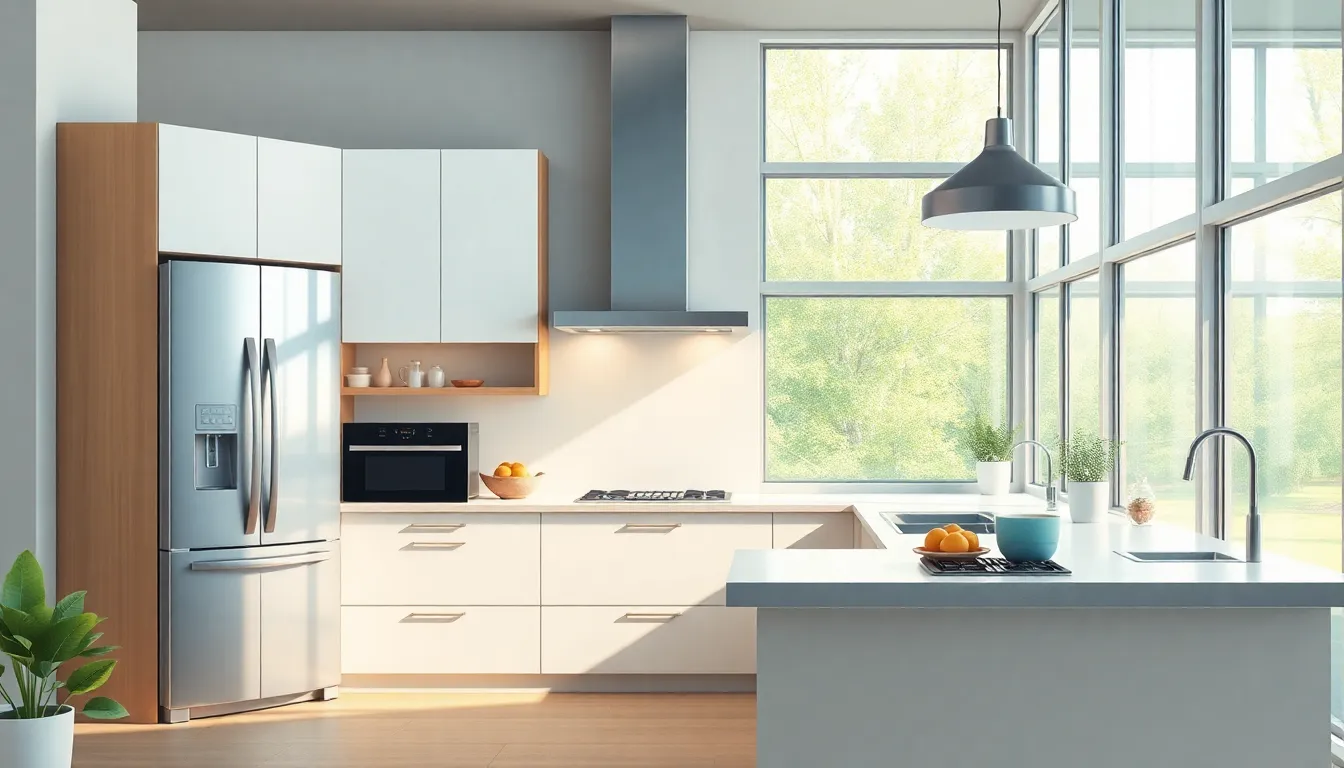
Smart living brands prioritize innovation and modern technology, aiming to enhance everyday experiences. These brands leverage cutting-edge advancements to create user-friendly products that streamline daily tasks.
Innovation and Technology
Smart living brands emphasize innovation, integrating the latest technology in their products. They offer smart devices that include IoT-enabled appliances and automation systems. These technologies promote seamless interactions. Users can control appliances through mobile apps or voice commands, increasing convenience. Many brands invest in artificial intelligence to enhance functionality, allowing devices to learn user preferences over time. Homes equipped with these solutions often exhibit improved efficiency. An impressive example includes smart lighting that adjusts brightness based on natural light levels. Such innovations transform ordinary routines into effortless experiences.
Sustainability Practices
Sustainability often serves as a cornerstone for smart living brands. Many prioritize energy efficiency, minimizing environmental impact. Brands frequently utilize eco-friendly materials in their products to enhance sustainability. Energy-efficient appliances contribute to reduced utility costs while also benefiting the planet. They often incorporate features such as automatic shut-off or energy usage tracking, empowering users to make informed decisions. Additionally, brands focusing on sustainability typically provide product longevity, reducing waste in landfills. By promoting responsible practices, these brands encourage consumers to invest in solutions that enhance lifestyles while protecting the environment.
Benefits of Smart Living Brands
Smart living brands significantly enhance everyday life through innovative technologies, transforming routine tasks into efficient processes. These brands focus on integrating various smart solutions for improved lifestyles.
Enhanced Convenience
Smart living brands provide unprecedented convenience by automating daily tasks. Home automation systems allow users to control lighting, temperature, and security with just a voice command or a tap on a smartphone app. Many smart devices work seamlessly with each other, creating a connected ecosystem that simplifies management. Users experience a more organized environment with scheduling features that handle tasks automatically, improving overall comfort. Smart assistants cater to specific needs, responding quickly to queries and adjusting settings to fit individual preferences. Enhanced convenience not only saves time but also elevates the quality of life.
Improved Efficiency
Efficiency benefits become evident through the integration of smart technology in homes. Smart appliances often optimize energy usage, leading to lower utility bills. For example, smart thermostats can learn user habits and adjust heating or cooling accordingly, ensuring consistent comfort without wasting energy. Advanced security systems offer real-time monitoring, reducing the time spent on manual checks. Users can track energy consumption through apps, empowering them to make informed decisions about their usage patterns. Improved efficiency minimizes effort while maximizing functionality, showcasing how smart living brands prioritize optimizing daily experiences.
Popular Smart Living Brands to Know
Numerous brands stand out in the smart living market, each offering unique solutions aimed at enhancing everyday experiences. Consumers can find a variety of innovative products tailored to meet their needs.
Brand A
Nest Labs excels in home automation. Known for its smart thermostats, the brand promotes energy efficiency while providing remote control options via a smartphone app. Users appreciate the ability to learn preferences, which enables the device to adjust temperatures optimally. Integration with other smart devices, such as security cameras and smart speakers, amplifies its utility. With a commitment to eco-friendly practices, Nest aims to lower carbon footprints and reduce bills significantly.
Brand B
Philips Hue revolutionizes smart lighting. This brand offers a range of intelligent bulbs that allow users to customize brightness and colors from their mobile devices. With a simple interface, controlling lighting has become effortless. Integration with voice assistants enhances user experience, allowing for hands-free adjustments. Philips Hue emphasizes energy efficiency, attracting consumers interested in sustainable living. Smart features like scheduling and automation further contribute to a seamless integrated home environment.
Smart living brands are transforming how individuals interact with their homes and lifestyles. By integrating innovative technology into everyday tasks, these brands enhance convenience and efficiency. As consumers increasingly seek solutions that simplify their lives, the demand for smart home products will continue to grow.
The commitment to sustainability and energy efficiency also positions these brands as leaders in responsible living. With advancements in artificial intelligence and IoT technology, smart living brands not only improve the quality of life but also promote eco-friendly practices. As this market evolves, it’s clear that smart living brands will play a crucial role in shaping a more connected and sustainable future.


