

A cracked iPhone screen can feel like a mini-tragedy, turning your trusty device into a frustrating paperweight. It’s like trying to read a novel with half the pages missing—utterly maddening! But don’t despair just yet; there are ways to regain access to your beloved phone without needing a degree in engineering or a magic wand.
Understanding the Problem
Accessing an iPhone when the screen is broken presents specific challenges. Users may encounter a completely unresponsive display, making it impossible to interact with apps or settings. In some instances, only partial visibility exists, complicating navigation further. Different scenarios, such as shattered glass or unresponsive touch sensitivity, may affect functionality.
Frustration grows when users realize notifications and calls continue to come in. Problems may arise with retrieving important information, such as contacts or texts. For many, this situation creates a sense of urgency, especially if the device holds vital data.
Options for regaining access can vary based on the extent of damage. Software tools can assist users in bypassing certain screens if touch functionality fails completely. Physical repairs also present a viable solution, especially for longstanding damage affecting usability. For individuals who prefer not to seek professional help, utilizing tools like Siri might facilitate some access.
Awareness of these challenges can help prioritize engagement strategies. Identifying alternatives, such as connecting to a computer to back up data, allows users to protect vital information while resolving access issues. Alternative input methods, like an external keyboard or other peripherals, may also present unique solutions.
Understanding the problem is crucial for formulating effective approaches. Assessing what functions remain accessible guides users toward the most appropriate resolution.
Common Causes of Broken Screens
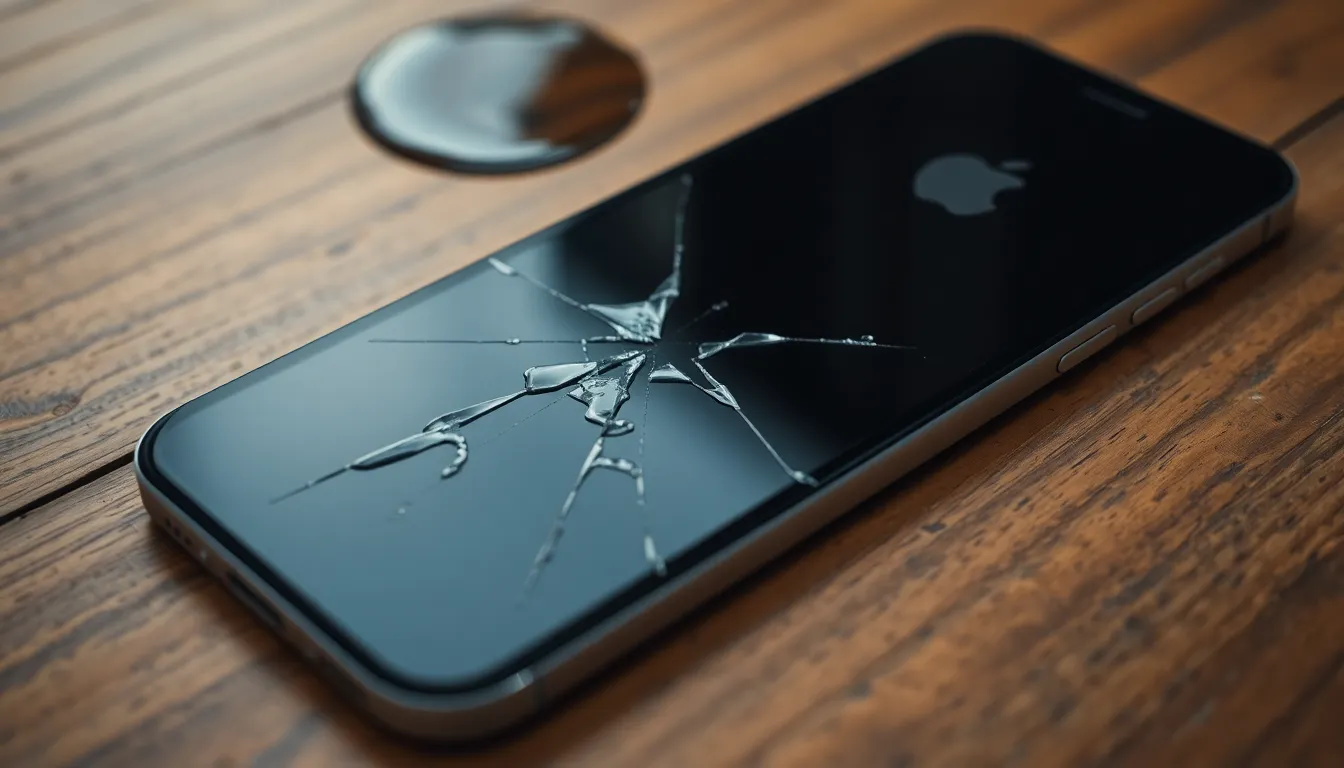
Broken screens often stem from a range of issues. Understanding these causes aids in identifying and resolving access problems effectively.
Physical Damage
Dropping an iPhone frequently leads to cracks or shattered screens. Accidental impacts from furniture or concrete can create significant damage. Water exposure also poses risks; even brief contact might result in screen malfunction. Carrying devices without protective cases aggravates vulnerability to drops. Additionally, pressure from tight pockets or bags may cause internal stress, leading to cracks. Regular assessments for visible damage can help detect issues early.
Software Issues
Software glitches can make screens unresponsive, creating access barriers. System updates sometimes introduce bugs that disrupt functionality. Attempting to jailbreak or modify an iPhone can inadvertently result in crashes. Corrupted applications may freeze screens or make them partially visible. These types of issues typically require troubleshooting steps to restore normal operations. Regular software updates enhance stability and may prevent crashes before they occur.
Methods to Access iPhone Without a Functional Screen
Users with a broken iPhone screen can still explore options to regain access. Several methods exist that cater to different situations.
Using VoiceOver
VoiceOver serves as a useful accessibility feature for visually impaired users, but it also aids those with broken screens. Activating VoiceOver involves pressing the Home button three times, making it accessible through Siri or settings if previously enabled. Once active, it reads aloud screen elements, allowing navigation through touch gestures. Users can swipe or tap to hear their options. The feature transforms the unresponsive display into an interactive experience.
Connecting to a Computer
Connecting the iPhone to a computer provides a direct method for accessing data. First, users should use a USB cable to establish a connection. Trusted computers recognize the device, enabling access to files via iTunes or Finder. Users can back up data, transfer files, or restore settings without relying on the broken screen. Even without visual cues, users can follow prompts and perform essential tasks directly. If iTunes was previously set up, backups may run automatically, saving important data instantly.
Alternative Solutions
Users can still access their iPhones even with a broken screen through various alternative solutions. These methods may provide temporary relief until a permanent fix is implemented.
Using an External Display
Connecting an iPhone to an external display offers a practical approach for users facing a non-responsive screen. HDMI adapters facilitate this connection, enabling the display of the iPhone’s interface on a larger screen. With a visual output available, users can interact with their devices, performing necessary tasks efficiently. Navigation becomes possible through touch or external peripherals. This method serves as an effective way to access important files and applications without needing to rely on the broken screen.
Repair Options
Exploring repair options is essential for long-term access to the device. Professional repair services can address screen damage by replacing it entirely. Solutions may vary, with costs typically ranging from $100 to $300 depending on the extent of the damage and the service provider. Many Apple Stores and authorized service centers offer reliable repair options. Users may also consider certified third-party repair shops for potentially lower costs. Weighing the decision between repair and replacement depends on factors like device age and overall functionality. Prompt repairs ensure that users regain full access to their devices without additional complications.
Tips for Preventing Future Damage
Keeping an iPhone safe requires proactive measures. A sturdy case absorbs shock during drops, significantly reducing the risk of screen damage. Additionally, screen protectors guard against scratches and cracks, adding another layer of protection.
Users should also avoid keeping the device in pockets with sharp objects. Keys, coins, and other items can easily scratch the screen or body of the phone. When setting the iPhone down, place it screen-side up to minimize the chance of damage from impacts.
Regular maintenance of the device helps as well. Users should update the iPhone’s software to prevent glitches that can lead to unresponsiveness. Monitoring for physical signs of wear may allow for early interventions, such as replacing a broken case or damaged screen protector.
Environment matters too. Keeping the iPhone away from extreme temperatures and humid conditions can prevent internal damage. Users should ensure that their workspace is clear of clutter, reducing the chances of accidentally knocking the device off surfaces.
It’s also wise to avoid excessive force while using the device. Gentle taps help maintain the integrity of the screen and internal components. Finally, adopting a habit of backing up data frequently ensures important information remains secure in case of an accident.
Implementing these practices helps extend the lifespan of an iPhone, maintaining both functionality and access to valuable information.
Accessing an iPhone with a broken screen can be challenging but it’s not impossible. By leveraging various methods and tools users can regain control of their devices and protect their important data. Whether through software solutions or physical repairs there are options available that cater to different needs and levels of technical expertise.
Implementing preventive measures can also play a crucial role in minimizing future damage. Regular maintenance and careful handling can extend the lifespan of an iPhone. Ultimately taking proactive steps ensures that users stay connected and their valuable information remains secure.


